New Insights into Chronic Pain in Women

A recent study published in Science Immunology sheds light on the gender gap in chronic pain, demonstrating that women experience prolonged pain due to immune responses rather than psychological factors. Key findings indicate that a type of white blood cell called monocytes, influenced by testosterone, plays a significant role in pain resolution. The research, which included human clinical data from the AURORA study, confirmed that women produce less of the anti-inflammatory protein interleukin-10 (IL-10), prolonging their pain response compared to men.
The implications of this discovery are profound, potentially transforming chronic pain treatment. With current therapies often relying on opioids, the identification of the immune mechanism opens pathways for new, non-opioid therapies that can better manage pain through targeted immune modulation. This shift emphasizes the need for personalized medicine approaches, moving away from one-size-fits-all treatments to strategies tailored to individual biological differences between sexes.
Free Daily Briefing
Top AI intelligence stories delivered each morning.
Related Articles

ARC Prize Analysis Reveals AI Models' Systematic Errors
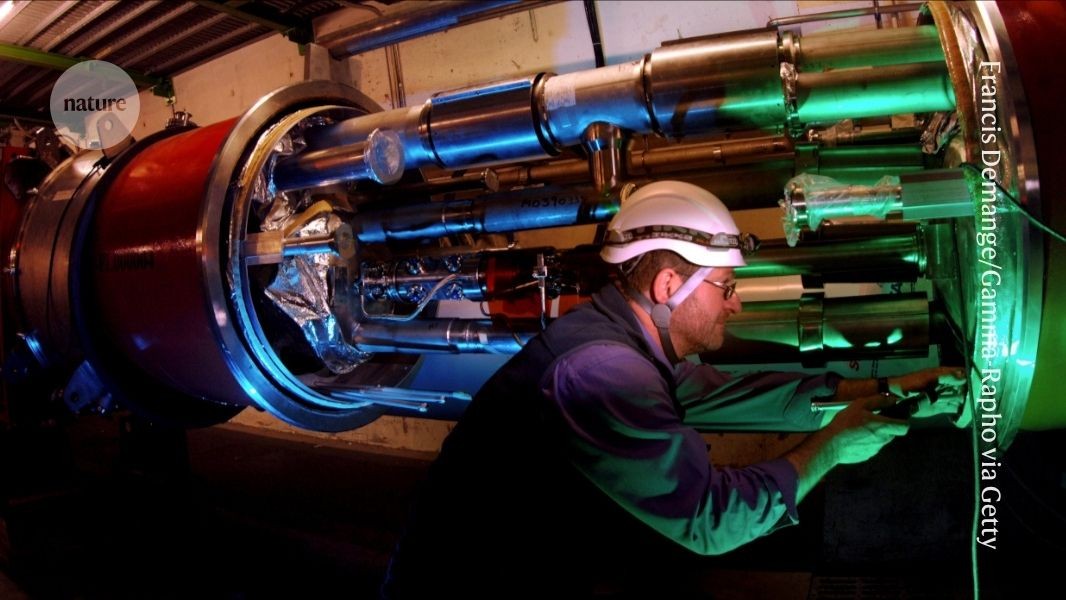
CERN Discovers Anomaly in Particle Decay at LHC

KPR Institute Develops Hybrid Model for Health Monitoring

Arabic AI Models Misidentify Cultural Items, Risking Credibility
