Chile Observes Interstellar Comet 3I/ATLAS Composition
%3Aformat(jpg)%3Aquality(99)%3Awatermark(f.elconfidencial.com%2Ffile%2Fbae%2Feea%2Ffde%2Fbaeeeafde1b3229287b0c008f7602058.png%2C0%2C275%2C1)%2Ff.elconfidencial.com%2Foriginal%2Fab3%2F8b5%2F5df%2Fab38b55df34a32c677675917f46d3256.jpg&w=1920&q=75)
Chile’s Atacama Large Millimeter Array (ALMA) has observed significant chemical characteristics of the interstellar comet 3I/ATLAS, revealing an unusual ratio of methanol to hydrogen cyanide that suggests distinct formation conditions compared to solar system comets. The comet, first identified on July 1, 2025, has shown remarkable features, with ALMA allowing unprecedented analysis of its molecular structure.
The implications of these findings are significant as they offer insight into the formation processes of celestial bodies outside our solar system. Observers note that the high methanol content indicates potential variations in the conditions present during the comet's formation. This data not only enhances our understanding of 3I/ATLAS but also opens new avenues for investigating similar interstellar phenomena and the chemical precursors for forming planets and stars in diverse stellar environments.
Free Daily Briefing
Top AI intelligence stories delivered each morning.
Related Articles

ARC Prize Analysis Reveals AI Models' Systematic Errors
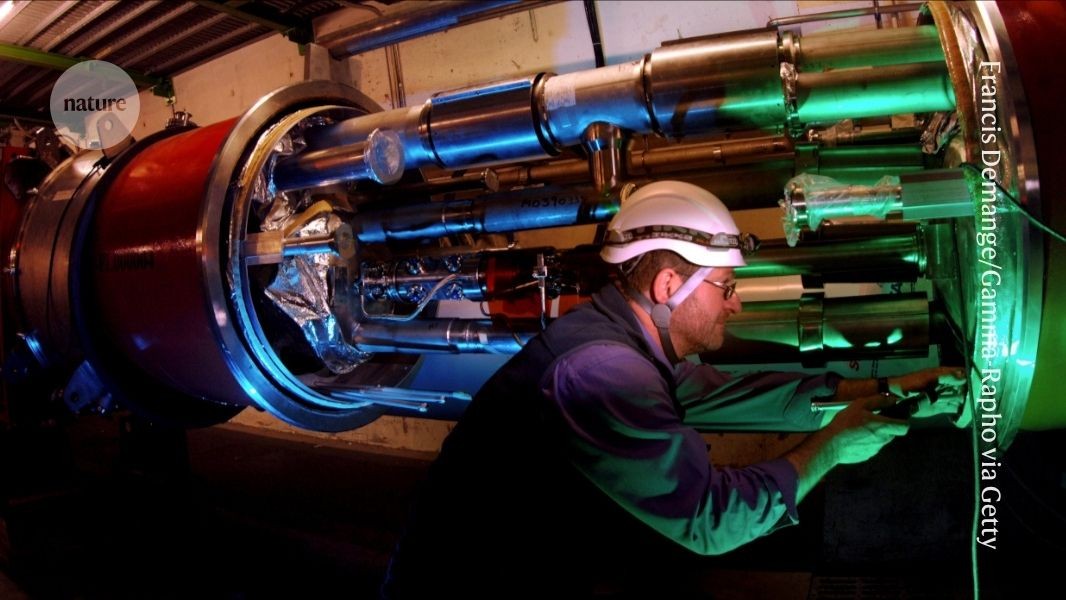
CERN Discovers Anomaly in Particle Decay at LHC

KPR Institute Develops Hybrid Model for Health Monitoring

Arabic AI Models Misidentify Cultural Items, Risking Credibility
