Data Preprocessing Enhances Machine Learning Performance
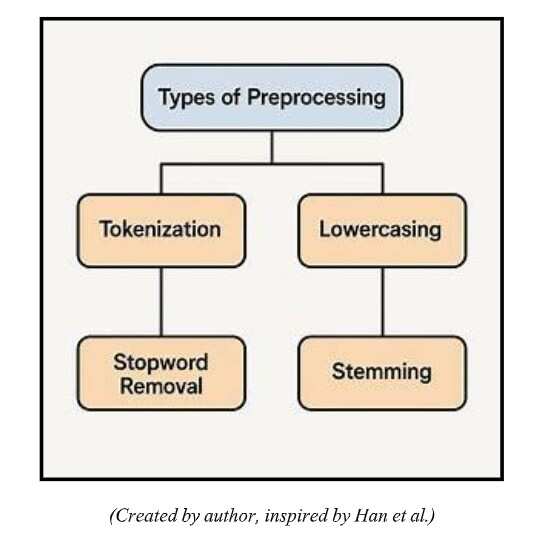
In the field of artificial intelligence and machine learning, the quality of data is paramount to achieving effective predictive outcomes. A recent review highlights that the performance of machine learning models is significantly influenced by data preprocessing techniques, which include strategies like normalization, missing value imputation, and dimensionality reduction. These preprocessing steps help transform messy, real-world data into structured formats that algorithms can effectively learn from. Various studies outline that preprocessing not only improves accuracy but also reduces costs associated with model training. For instance, normalization was shown to enhance classification accuracy by nearly 30% in specific medical datasets, underscoring the importance of tailored preprocessing methods per algorithm type.
The implications of these findings are substantial for organizations leveraging AI across sectors such as healthcare, finance, and transportation. As models strive to make data-driven decisions, the emphasis on robust preprocessing suggests that stakeholders should invest in understanding and implementing appropriate techniques. This approach ensures that models can generalize well beyond training scenarios and remain interpretable, especially in high-stakes applications. Moreover, the dependence on preprocessing techniques indicates a need for ongoing research to develop standardized practices that can maintain AI efficacy amidst evolving datasets.