AI Impacts Scientific Progress Amid Funding Cuts

Recent analyses reveal that while AI has the promise to enhance scientific inquiry, it might also exacerbate existing challenges in the scientific community. Observations show a paradox where, despite exponential growth in research publications, the pace of significant scientific advancement appears stagnant. This raises questions about AI's effectiveness when applied to already flawed scientific frameworks, as it could perpetuate erroneous theories instead of elucidating new insights.
The implications are profound; as federal funding for science declines, reliance on AI could shift from fostering innovation to merely increasing output volume. Current strategies do not address the core bottlenecks, suggesting that a focus on quantity without understanding underlying challenges may hinder true scientific progress. Stakeholders, including AI developers and policymakers, must recognize these complexities and adjust approaches to ensure AI becomes a catalyst for genuine scientific breakthroughs, rather than a superficial solution to funding shortfalls.
Free Daily Briefing
Top AI intelligence stories delivered each morning.
Related Articles

ARC Prize Analysis Reveals AI Models' Systematic Errors
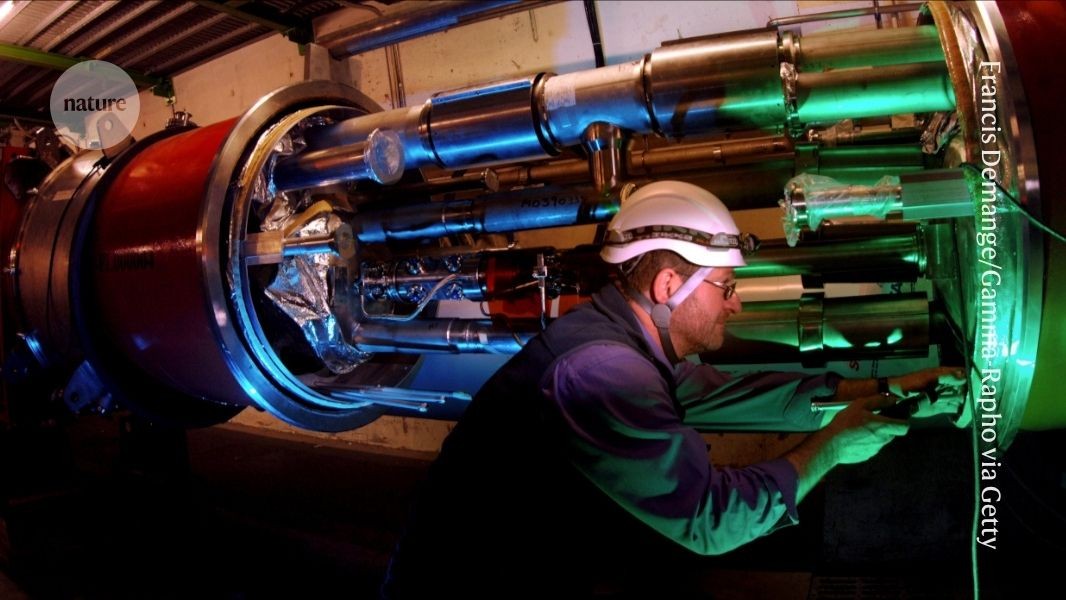
CERN Discovers Anomaly in Particle Decay at LHC

KPR Institute Develops Hybrid Model for Health Monitoring

Arabic AI Models Misidentify Cultural Items, Risking Credibility
