US Strategy Aims to Restrict China's Global Trade Access

The ongoing tension between the U.S. and Iran, particularly surrounding the Strait of Hormuz, underscores a broader geopolitical struggle, where the U.S. aims to limit China’s influence on critical supply routes. The U.S. is actively seeking to assert its dominance over essential maritime chokepoints from the Panama Canal to the Strait of Malacca, in response to China’s growing reliance on energy imports and strategic minerals. Analysts note that these maneuvers are part of a tactical effort to isolate China economically and politically, amid escalating trade wars and recent military engagements.
As the U.S. seeks to enhance its control over these strategic routes, it reflects a significant shift in the global trade landscape, where China's dependency on imported energy from regions like Iran and Venezuela is now a point of vulnerability. This strategy not only aims to curb China's economic hegemony but also potentially lays the groundwork for future military implications should tensions escalate further. The current geopolitical chess game emphasizes the importance of naval supremacy and control over global logistics for maintaining economic stability and exerting geopolitical influence.
Related Sovereign AI Articles

Germany Focuses on Defense Autonomy Amid US Troop Cuts
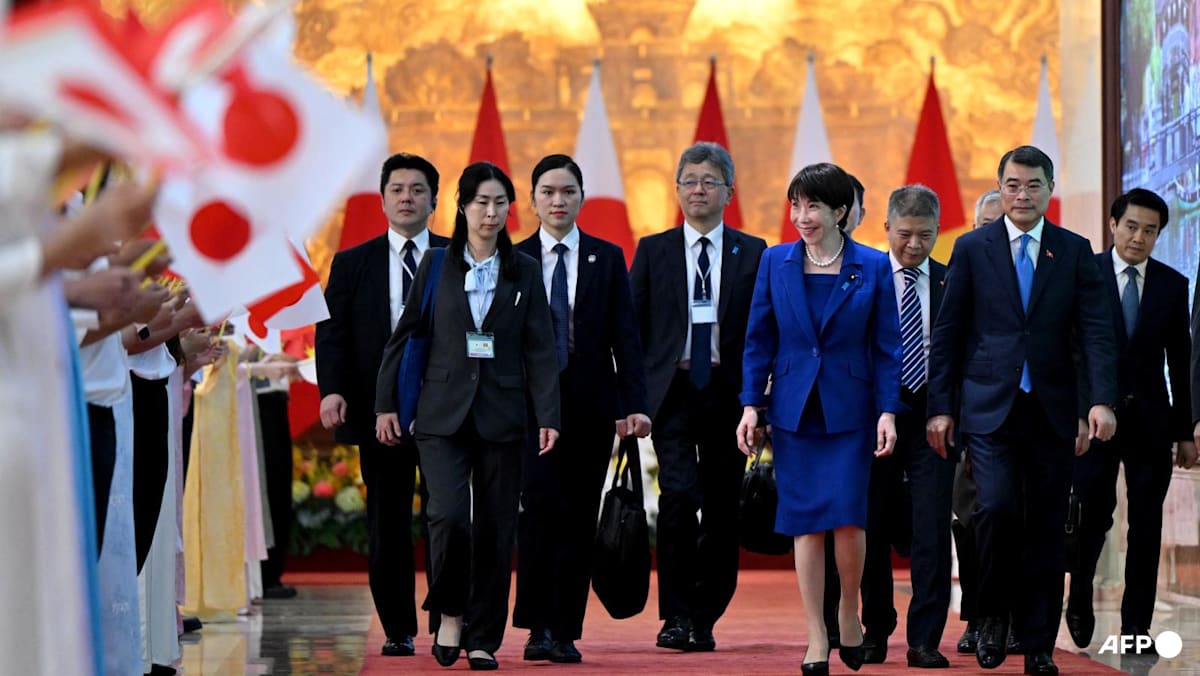
Japan PM Takaichi Advocates Free Indo-Pacific Strategy

Japan Strengthens Energy Cooperation with Vietnam

China Urges Ceasefire Priorities in Trump-Xi Talks
