China's Labor Culture: Beyond the 996 Myth
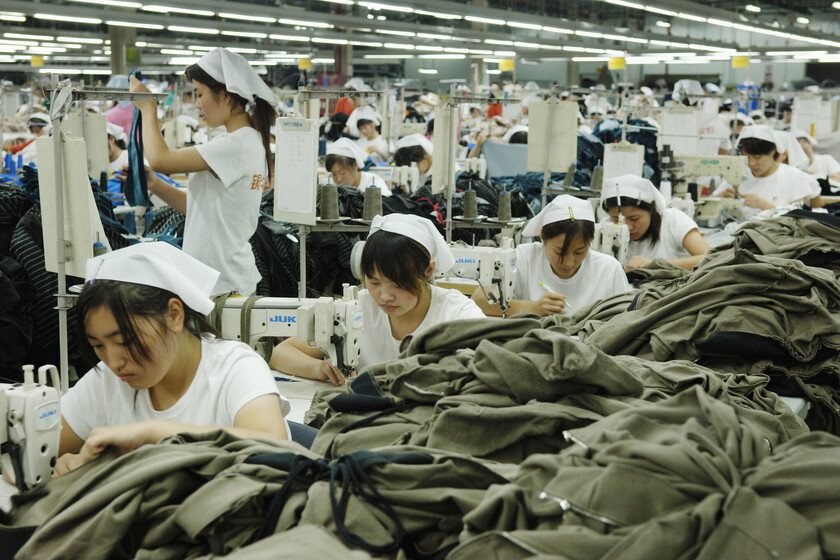
The article explores the actual work culture in China, challenging the prevalent narrative surrounding the '996' work schedule, which suggests employees work from 9 a.m. to 9 p.m., six days a week. In reality, the labor landscape is more diverse, with a significant portion of the workforce, particularly in the public sector, adhering to a pattern identified as '323'—three hours of morning work, a lengthy lunch break, and three hours in the afternoon. This article aims to correct misconceptions and present a nuanced view of China's workforce, influenced by historical, cultural, and bureaucratic factors.
The implications of this analysis highlight the disconnect between Western perceptions of China's efficiency and the complex realities of its workforce. While the '996' narrative fosters a simplistic understanding of competitive pressures, the '323' reality underscores deeper systemic issues within China's labor practices. Understanding this duality is crucial for policymakers and businesses to engage with China's labor market effectively, recognizing the mix of productivity, tradition, and formal structures that shape its workforce.