Research·Americas
MIT Develops Boron Nitride Tubes for Space Exploration
%3Aformat(jpg)%3Aquality(99)%3Awatermark(f.elconfidencial.com%2Ffile%2Fbae%2Feea%2Ffde%2Fbaeeeafde1b3229287b0c008f7602058.png%2C0%2C275%2C1)%2Ff.elconfidencial.com%2Foriginal%2F5b4%2Fef6%2Fd4d%2F5b4ef6d4dce8fcd9842a55040ef2fc94.jpg&w=1920&q=75)
Researchers at MIT have developed a new material using boron nitride nanotubes (BNNTs) aimed at improving the safety of astronauts against cosmic radiation, a significant threat to long-duration missions to the Moon and Mars. Led by PhD candidate Palak Patel, the study focuses on integrating these nanotubes into aerospace materials, potentially increasing their radiation resistance from typical aluminum structures to a much stronger composition, achieving up to 50% BNNT concentration in protective gear.
Free Daily Briefing
Top AI intelligence stories delivered each morning.
Related Articles

ARC Prize Analysis Reveals AI Models' Systematic Errors
Research2 May
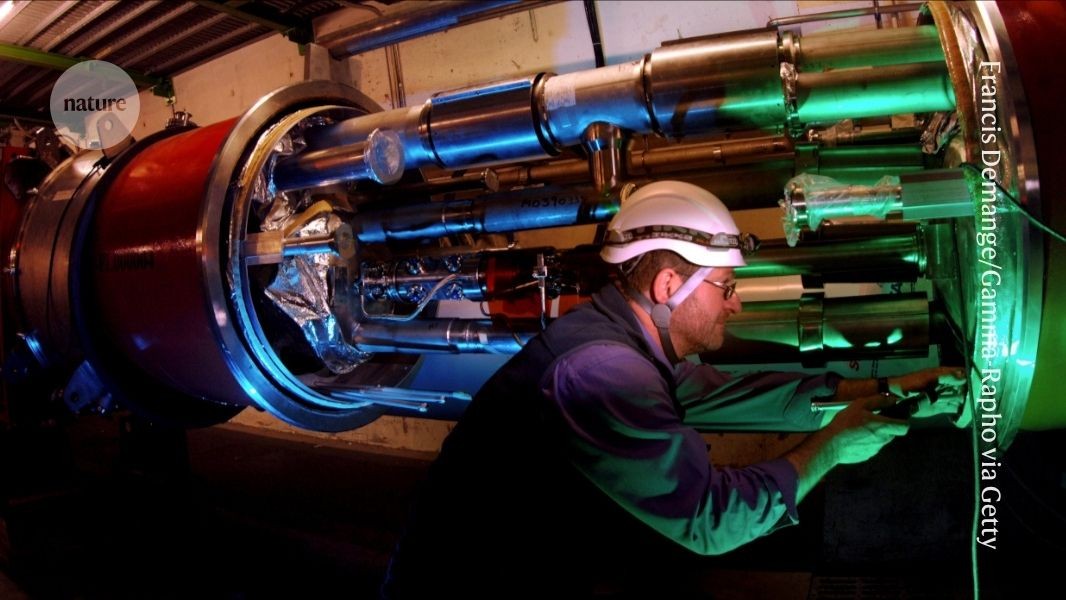
CERN Discovers Anomaly in Particle Decay at LHC
Research2 May

KPR Institute Develops Hybrid Model for Health Monitoring
Research2 May

Arabic AI Models Misidentify Cultural Items, Risking Credibility
Research1 May

Top U.S. Scientist Moves to Singapore Amid Policy Changes
Research1 May