TACC Utilizes Stampede3 Supercomputer for Protein Design

Researchers at TACC employed the Stampede3 supercomputer to innovate in designing proteins capable of self-assembling in challenging environments. This effort focuses on understanding how protein structures can maintain their integrity under varying pH and temperature, which is crucial for various industrial and scientific applications.
The implications of this research extend to materials science and biotechnology, where advanced materials tailored for specific functionalities can be developed. Leveraging high-performance computing like Stampede3 not only accelerates these discoveries but also reinforces the role of supercomputing in pushing the frontiers of science. Such capabilities can lead to strategic advancements in domestic research and development, aligning with national interests in technology autonomy and innovation.
Free Daily Briefing
Top AI intelligence stories delivered each morning.
Related Articles

ARC Prize Analysis Reveals AI Models' Systematic Errors
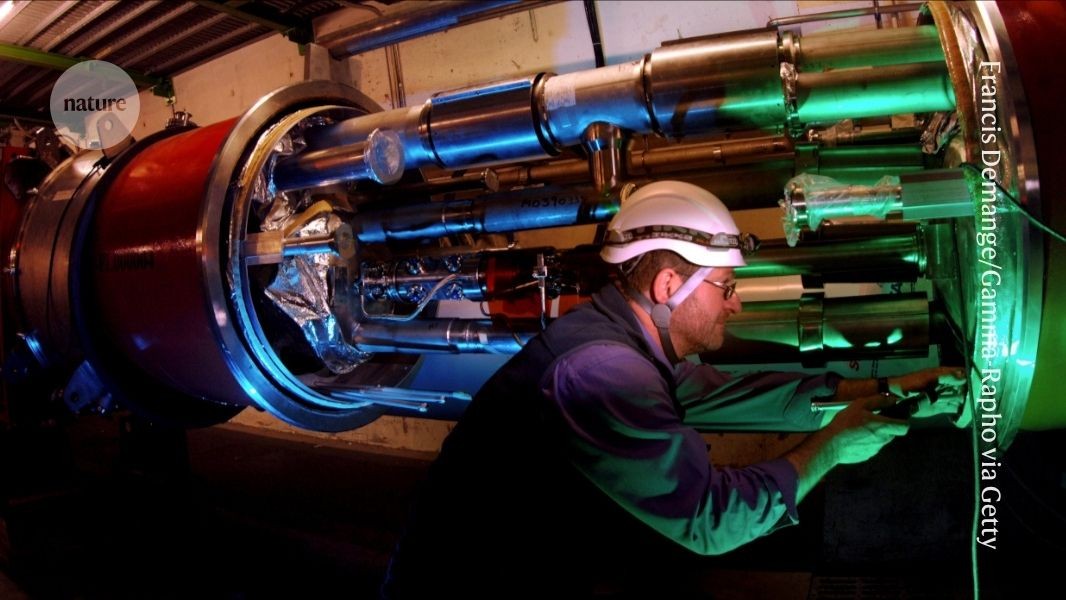
CERN Discovers Anomaly in Particle Decay at LHC

KPR Institute Develops Hybrid Model for Health Monitoring

Arabic AI Models Misidentify Cultural Items, Risking Credibility
