Nvidia Explores SRAM Chip Design Affecting Memory Market

Nvidia is set to unveil a new AI inference chip architecture utilizing on-chip static random access memory (SRAM) at the GTC 2026 conference. This design diverges from current GPU technologies that rely heavily on high-bandwidth memory (HBM), facilitating rapid data handling through multiple memory stacks. While SRAM could enhance processing latency by minimizing data movement, industry experts caution that its capacity constraints and higher costs make it unlikely to replace HBM for large-scale AI applications.
The implications of this architecture may redefine the memory landscape in AI, but experts believe SRAM will mostly complement existing technologies instead of displacing them. Analysts suggest that for specific ultra-low-latency workloads, SRAM could offer advantages, but traditional roles of HBM and dynamic random access memory (DRAM) will persist in large-scale trainings. The transition will likely be gradual, allowing established players like Samsung and SK hynix to adapt without immediate upheaval in the memory market.
Free Daily Briefing
Top AI intelligence stories delivered each morning.
Related Articles

Alibaba Releases Qwen3.6-27B for Local AI Coding

Data Centers Embrace AI Chips for Enhanced Performance
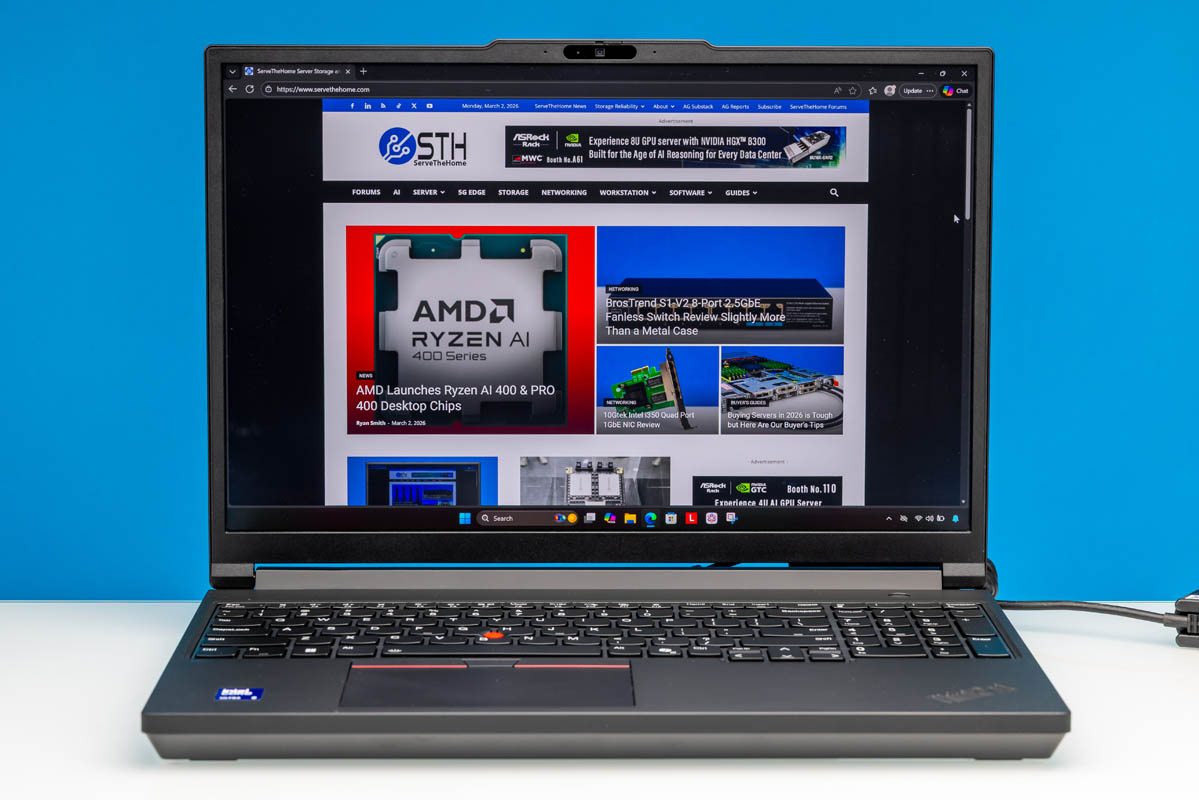
Lenovo Launches Powerful AI Workstation ThinkPad P16 Gen 3

OCP Members Advocate for DC Power in Data Centers
