Ukrainian Analysis Unveils Global Tech in Russian Missiles

Following the downing of Malaysia Airlines Flight MH17 in 2014, investigations uncovered that missile parts were sourced globally, sparking concerns. Recent analyses of the Russian S-71K missile have shown that its electronic components predominantly originate from foreign countries, including Germany, Asia, and the U.S. This trend emphasizes a disconcerting reliance on international technology despite ongoing sanctions against Russia, complicating defense strategies for Ukraine and its allies.
The insights gained from the S-71K highlight the broader implications of global supply chains in modern warfare. Russia's ability to leverage foreign tech for its military efforts signifies that controlling the flow of critical components is increasingly challenging. As Ukraine strives to counteract Russian capabilities, identifying and sealing off the routes through which these technologies flow becomes essential. This situation illustrates that contemporary conflicts depend significantly on global logistics, necessitating a reevaluation of military and diplomatic strategies.
Related Sovereign AI Articles

Tether Invests $127.5M to Support Drift Post-Hack Recovery

Iran Navigates Shadow Fleet Amid US Naval Blockade
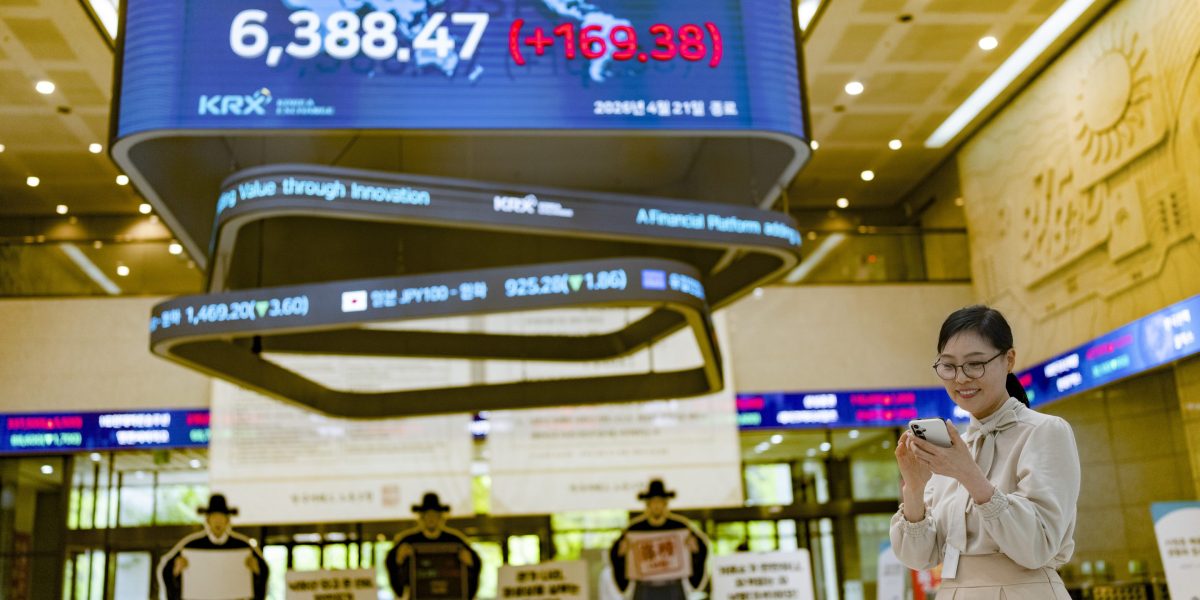
Asia's AI Boom: Investors Shift Amid Iran Conflict
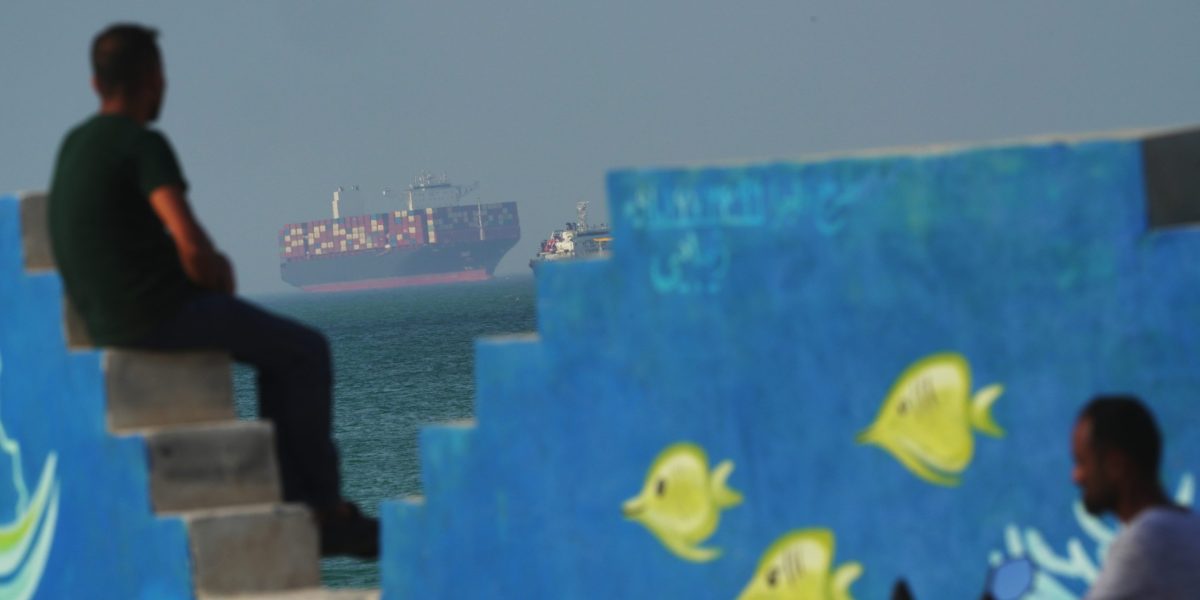
Strait of Hormuz Faces Data Deception Challenges
