Iran's Shahed Drones Reshape Gulf Defense Tactics
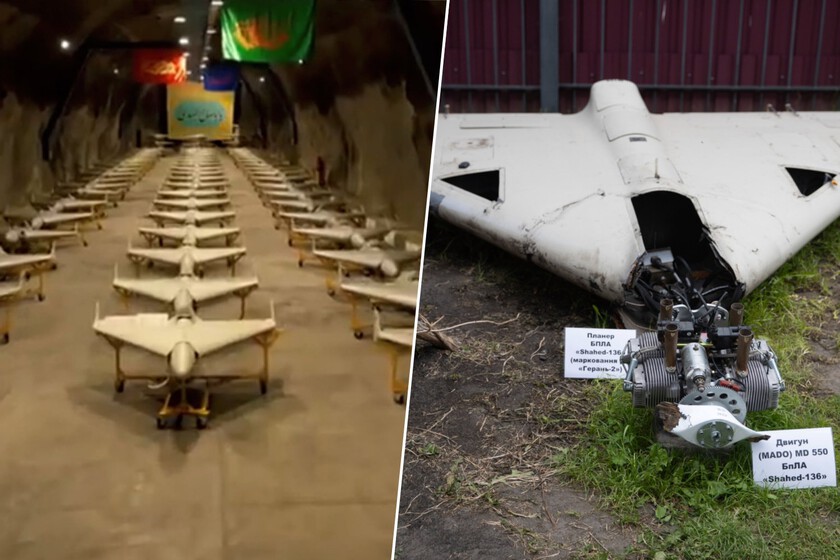
Over the past four years, Iranian-designed Shahed-136 drones have transformed from a niche military experiment into a central figure in modern warfare. With a modest length of 3.5 meters and a payload capacity of 50 kilograms, these drones are not only economically viable at approximately $50,000 each but are also mass-produced, presenting a significant challenge to conventional air defense systems. Since 2022, these kamikaze drones have been employed against urban and military targets in Gulf countries like Bahrain and the UAE, escalating the psychological and economic pressures on these nations.
The strategic implications are profound as the Gulf states, previously unaccustomed to such drone threats, now face challenges in defending their cities against low-flying, difficult-to-detect drones. Inspired by the Ukrainian defense tactics that countered these drones during the ongoing war, Gulf nations are prompted to rapidly enhance their air defense infrastructures, leveraging advanced systems capable of intercepting drone swarms. This development highlights an increasing dependency on foreign military technology to ensure national security in the face of unconventional threats.