Nvidia Develops AI-RAN with GPU-Centric Approach at MWC

At the 2026 Mobile World Congress (MWC) in Barcelona, Nvidia advanced its AI-native strategy with the introduction of an artificial intelligence radio access network (AI-RAN) architecture. This innovation integrates GPUs in telecommunications, offering an alternative to traditional CPU-based approaches favored by competitors like Intel and Ericsson. Nvidia's Aerial RAN Computer is designed to optimize both network functions and AI workloads, enhancing efficiency within a 300-watt power limit. Key executives emphasized the importance of this new GPU-centric strategy, supported by years of development in software infrastructure that allows for further customization by partners such as Nokia.
The strategic implications of this architecture are significant for the telecom sector, where the competition between GPU and CPU methodologies is intensifying. Nvidia's GPU-centric model not only facilitates powerful AI integration and could potentially lead telecom operators towards monetization of edge computing services but also raises concerns regarding dependency on Nvidia's technology for infrastructure. This shift toward a more software-defined, distributed framework could enhance AI capabilities in telecom, fostering a more autonomous industry landscape, yet it may also entrench Nvidia's influence in the AI infrastructure domain.
Free Daily Briefing
Top AI intelligence stories delivered each morning.
Related Articles

Alibaba Releases Qwen3.6-27B for Local AI Coding

Data Centers Embrace AI Chips for Enhanced Performance
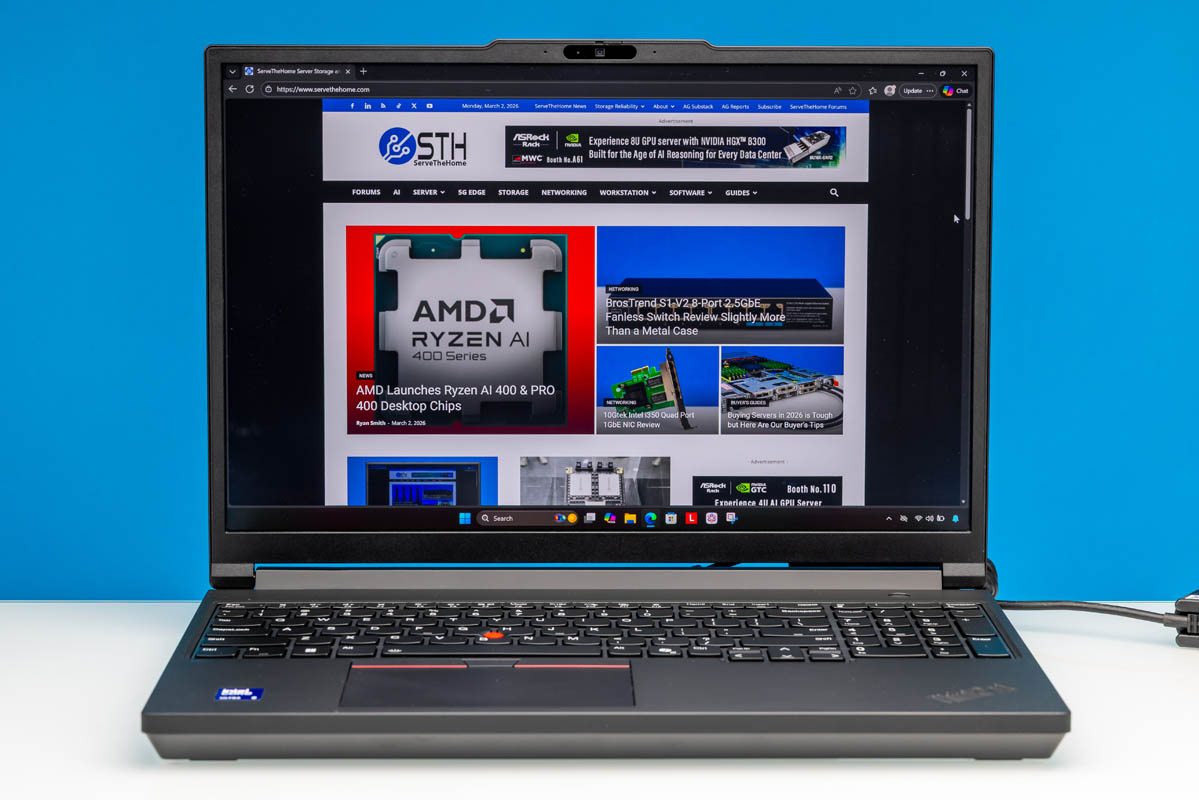
Lenovo Launches Powerful AI Workstation ThinkPad P16 Gen 3

OCP Members Advocate for DC Power in Data Centers
