New Neuromorphic Platform Enhances AI Device Capabilities

Recent research from UCSD and Rutgers unveils a new technical paper entitled “Protonic nickelate device networks for spatiotemporal neuromorphic computing.” This study explores advancements in neuromorphic computing by leveraging the unique properties of protonic nickelates, aiming to replicate the complexity of biological neural circuits that have been difficult to emulate in existing hardware solutions.
The implications of this research extend beyond theoretical understanding; it suggests a potential breakthrough in AI hardware capabilities. By enhancing spatiotemporal computing, these innovations could lead to faster, more efficient AI processing units, contributing to the evolution of neuromorphic devices that better mimic biological systems. This could enhance AI's functionality, creating new avenues for tech infrastructure development.
Free Daily Briefing
Top AI intelligence stories delivered each morning.
Related Articles

Alibaba Releases Qwen3.6-27B for Local AI Coding

Data Centers Embrace AI Chips for Enhanced Performance
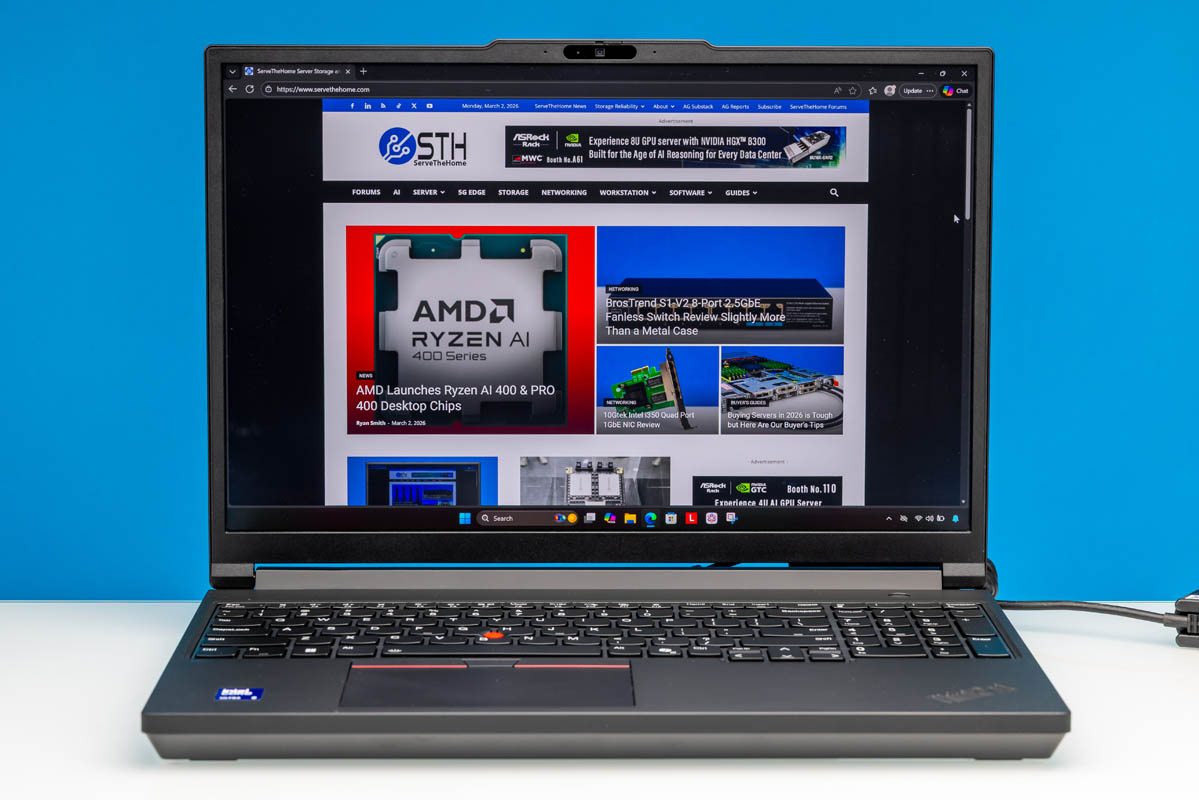
Lenovo Launches Powerful AI Workstation ThinkPad P16 Gen 3

OCP Members Advocate for DC Power in Data Centers
