MoE Models Enhance AI Efficiency with Sparse Architectures

Recent advancements in AI have spotlighted Mixture of Experts (MoEs) as a transformative approach in the development of large language models (LLMs). By integrating sparse architectures, MoEs leverage a subset of specialized sub-networks for processing tasks, enabling more efficient use of computational resources. For instance, a popular model, gpt-oss-20b, utilizes only 3.6 billion active parameters at any time, while retaining the overall capability of a 21 billion parameter model. This innovative method enhances inference speed, making MoEs desirable for rapid iteration and better scaling efficiencies.
The implications of MoEs reach beyond mere technical enhancement. By promoting a shift from dense to sparse architectures, this approach not only optimizes performance but also offers new avenues for parallelization in AI workflows. These developments contribute to a growing trend in the industry, with big players adopting MoE frameworks for their models. As these techniques gain traction, there is potential for increased autonomy in AI systems, although this may simultaneously impact the reliance on traditional dense architectures and foreign tech solutions.
Free Daily Briefing
Top AI intelligence stories delivered each morning.
Related Articles

ARC Prize Analysis Reveals AI Models' Systematic Errors
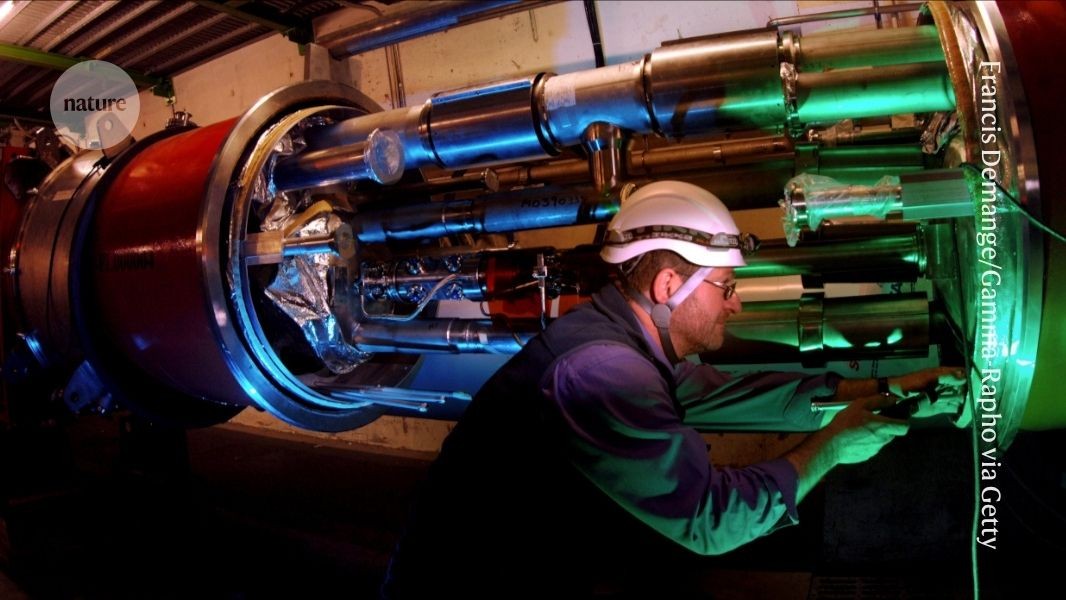
CERN Discovers Anomaly in Particle Decay at LHC

KPR Institute Develops Hybrid Model for Health Monitoring

Arabic AI Models Misidentify Cultural Items, Risking Credibility
