Georgia Tech Develops Radiation-Resilient NAND Storage

Researchers at Georgia Tech have published a paper detailing advancements in NAND flash storage technology. Their work introduces a laminated ferroelectric stack that addresses the issue of rapid threshold-voltage degradation in charge-trap NAND under ionizing radiation, which poses serious reliability challenges in data-intensive AI applications.
The implications of this research are significant for the future of solid-state storage, particularly in environments where systems are exposed to radiation, such as space exploration or high-energy physics. By improving the reliability and performance of NAND flash storage, this technology could enhance the capabilities of AI systems that rely on robust data storage solutions, contributing to greater autonomy in computing infrastructures.
Free Daily Briefing
Top AI intelligence stories delivered each morning.
Related Articles

Community Opposition Halts $64B in Data Center Projects

Alibaba Releases Qwen3.6-27B for Local AI Coding

Data Centers Embrace AI Chips for Enhanced Performance
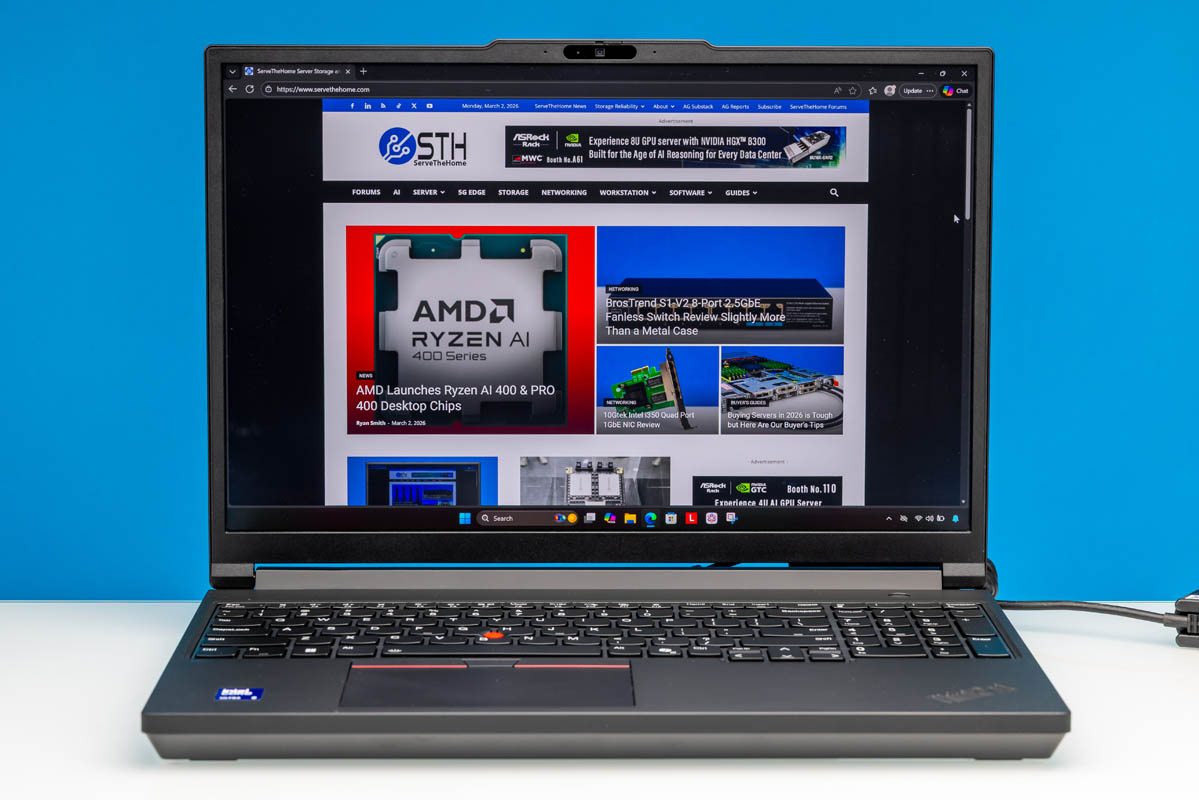
Lenovo Launches Powerful AI Workstation ThinkPad P16 Gen 3
