Elon Musk Escalates OpenAI Lawsuit Over Control Issues
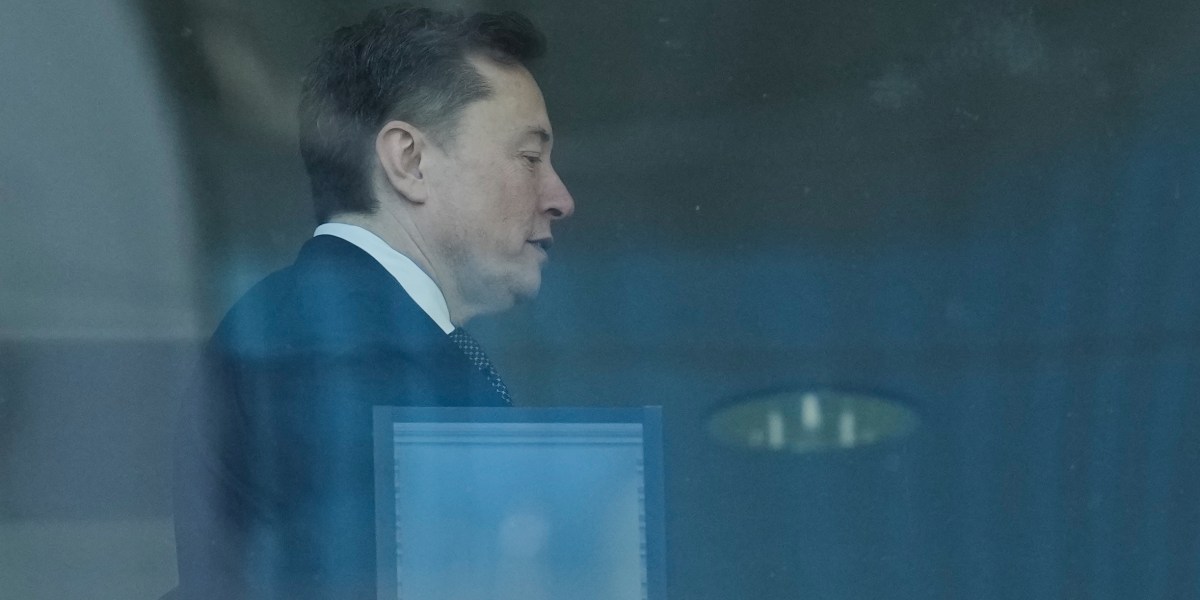
In a high-profile trial taking place in Oakland, California, Elon Musk has intensified his lawsuit against OpenAI, alleging that the organization has strayed from its original mission to develop AI for the public good. Musk's claims emphasize that OpenAI's transition to a for-profit entity in 2019 was primarily motivated by self-enrichment, undermining its foundational purpose. During cross-examination, Musk rebuffed suggestions from OpenAI's lawyer that his questions were intended to be straightforward, asserting instead that they were misleading. Musk's accusations are aimed at founder Sam Altman and president Greg Brockman, highlighting a significant rift within the company regarding its operational direction and management.
The implications of this trial extend beyond Musk's personal grievances, potentially impacting the governance structure of AI organizations. As Musk seeks a change in leadership alongside financial restitution, the outcome could prompt a reevaluation of the accountability and ethical obligations of AI companies. This case raises questions about how AI companies might balance profit motives with their responsibilities to the public, especially in light of significant investments from corporate giants like Microsoft. Ultimately, this trial may set important precedents for the future governance of AI development and corporate ethics within the sector.
Related Sovereign AI Articles
Elon Musk Challenges OpenAI's Nonprofit Shift in Court

Spotify Verifies Artists to Combat AI-Generated Content
Snap's AI Adoption Faces Societal Backlash

Kaspersky Reports 37% Surge in Malicious Software Packages
