NASA's Van Allen Probe to Crash Land on Earth Today
%3Aformat(jpg)%3Aquality(99)%3Awatermark(f.elconfidencial.com%2Ffile%2Fbae%2Feea%2Ffde%2Fbaeeeafde1b3229287b0c008f7602058.png%2C0%2C275%2C1)%2Ff.elconfidencial.com%2Foriginal%2Feed%2F4cc%2F169%2Feed4cc16937693c86292e1784270ff55.jpg&w=1920&q=75)
Key Points
- 1600 kg Van Allen Probe reenters atmosphere after solar impact.
- 2Accelerated descent alters predictions due to solar activity.
- 3Minimal risk to population as debris expected to disintegrate.
The NASA Van Allen Probe, weighing 600 kg, is making an unexpected reentry into Earth's atmosphere today, influenced by increased solar activity. Launched in 2012 to study Earth's radiation belts, the probe was initially expected to remain in orbit until 2034 but has lost altitude more rapidly than projected due to atmospheric drag from solar events. Current estimates predict reentry around 19:45 ET, though officials note a significant uncertainty window of up to 24 hours.
As the probe falls, most of it is expected to disintegrate due to the intense heat from atmospheric friction. Despite concerns, NASA estimates a low risk to the public, with a likelihood of any debris causing damage at approximately 1 in 4,200. This situation highlights the challenges posed by solar weather's impact on orbital devices and underlines the need to continue monitoring how such phenomena affect technological infrastructures on Earth.
Free Daily Briefing
Top AI intelligence stories delivered each morning.
Related Articles

ARC Prize Analysis Reveals AI Models' Systematic Errors
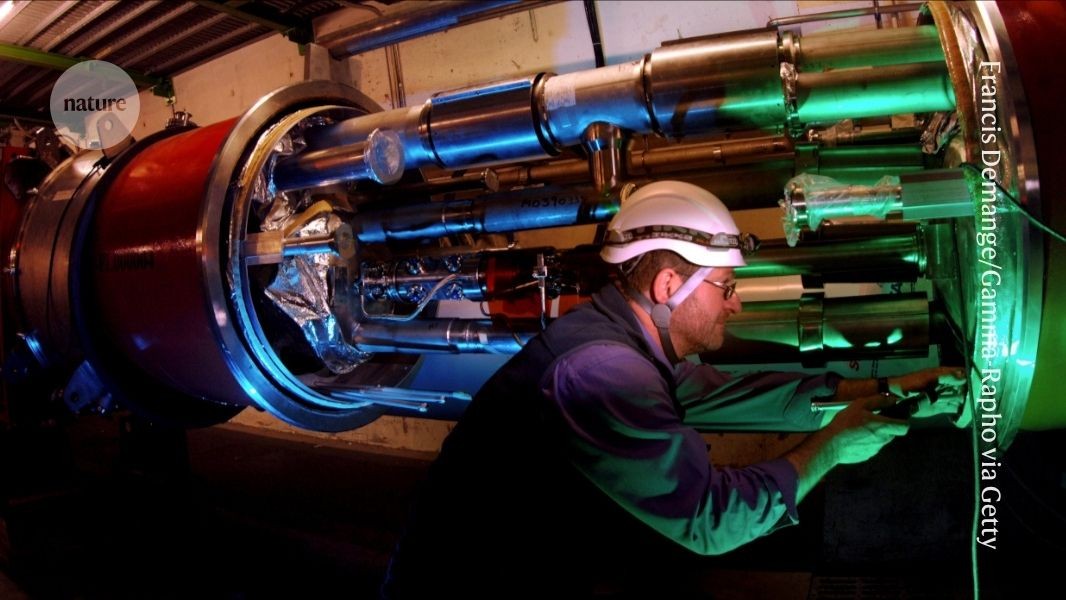
CERN Discovers Anomaly in Particle Decay at LHC

KPR Institute Develops Hybrid Model for Health Monitoring

Arabic AI Models Misidentify Cultural Items, Risking Credibility
