Iran Navigates Shadow Fleet Amid US Naval Blockade

Key Takeaways
- 1Iranian shadow fleet bypassed US blockade in Hormuz Strait.
- 2Tracking data reveals resilience of maritime trade under sanctions.
- 3Increased complexity in maritime trade raises geopolitical tensions.
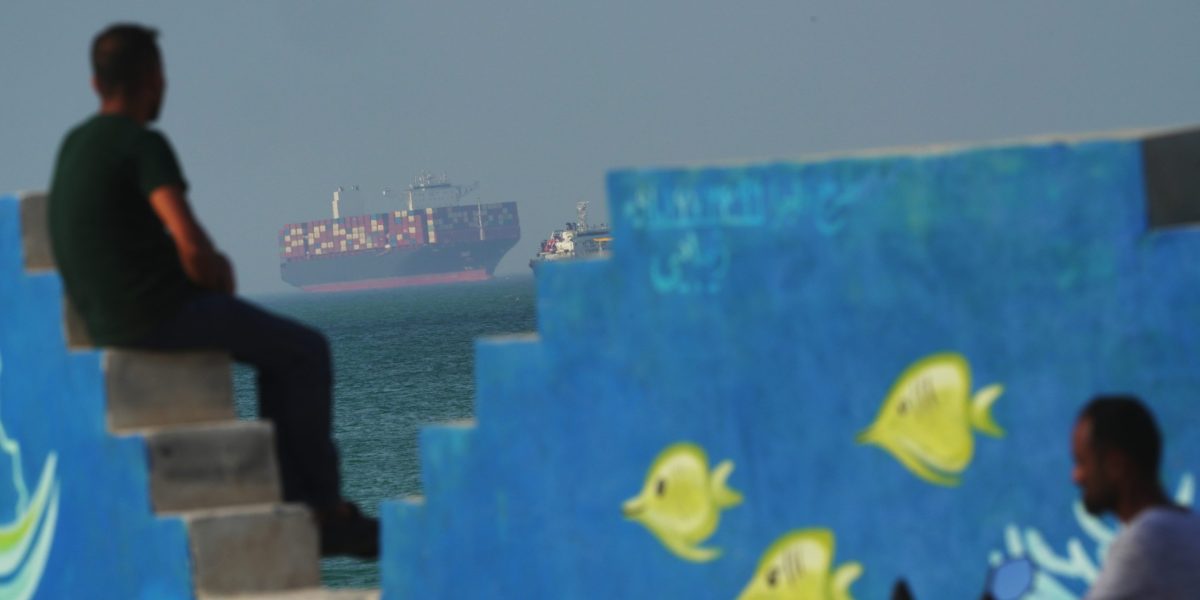
In March 2026, a series of maritime incidents in the Strait of Hormuz highlighted the tensions between Iran and the U.S. Amidst a naval blockade imposed by the U.S., an investigation revealed that a 'shadow fleet' of vessels continued operations, evading detection and sanctions through various means, including using false flags and disabling signals. This investigation tracked 202 voyages, with 38.5% linked to Iran, shedding light on how international trade persists even under severe pressures and restrictions.
The implications of these findings suggest a significant shift in maritime trade dynamics, as Iran and associated vessels navigate around traditional monitoring and sanctions. The resilience of this shadow fleet illustrates a potential increase in foreign dependency for naval enforcement and trade security, complicating the geopolitical landscape in a region critical for global energy supply.
Related Sovereign AI Articles

Asia's AI Boom: Investors Shift Amid Iran Conflict
Strait of Hormuz Faces Data Deception Challenges

Hezbollah Integrates Fiber-Optic Drones for Tactical Use

Tech Week Shanghai Launches Focus on Data Ecosystem