Iran Reopens Strait of Hormuz: Impact on Global Oil Flow
Key Takeaways
- 1Strait of Hormuz reopened by Iran for commercial shipping.
- 2Iran's leverage acts as a potential deterrent against attacks.
- 3Market confidence in oil flow remains uncertain and cautious.
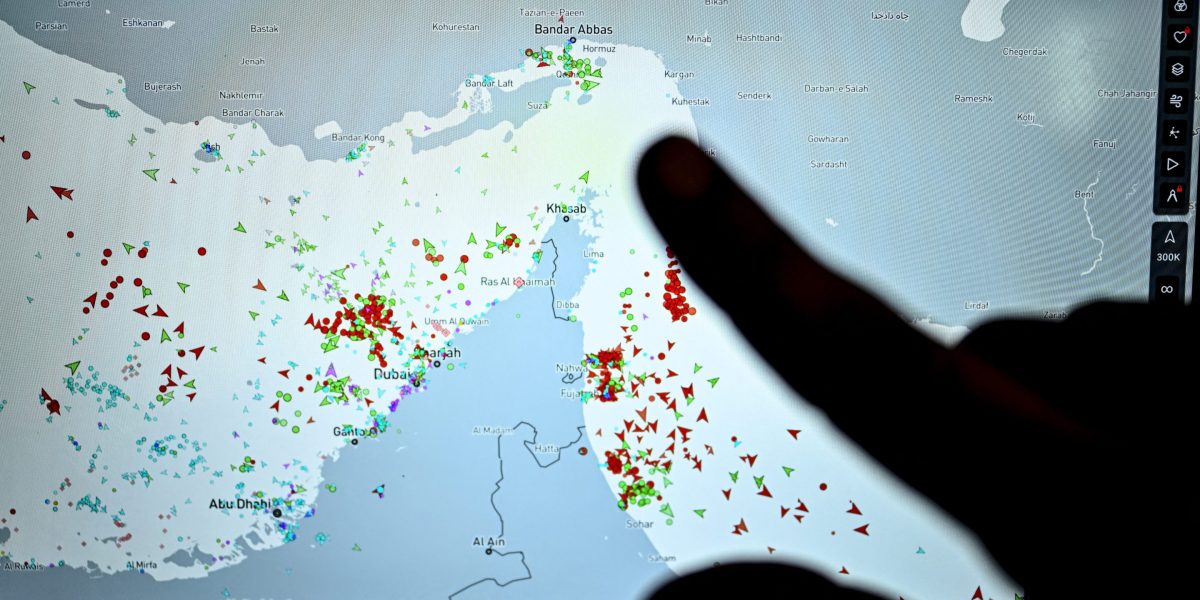
Iran's foreign minister announced the reopening of the Strait of Hormuz for commercial shipping, a vital passage for about 20% of the world's oil and natural gas. This decision follows a two-month period during which the U.S. and Iran were engaged in escalating tensions, including a temporary closure of this strategic strait. The immediate effects on Brent crude prices were notable, dropping around $10 per barrel, while U.S. stocks reached new highs. However, shippers are currently hesitant to resume normal operations without clearer security assurances amid ongoing geopolitical risks.
Strategically, the reopening may reflect a shift in Iran's capabilities as it purportedly holds a strong leverage over global energy supply routes. Analysts liken Iran's control over the strait to a form of nuclear deterrence, suggesting it can manipulate oil flows to exert pressure on the global economy. Despite initial optimism following the reopening announcement, market experts caution that the actual flow of oil may not resume swiftly due to disrupted production capacities, depleted inventories, and potential operational delays in the strait. Thus, while the strait's reopening is a positive sign, broader supply chain recovery may be prolonged, impacting global oil prices in the interim.