US-Iran Talks Fail Amid Nuclear Weapons Disagreement
Key Takeaways
- 1Talks ended without a deal after 21 hours of negotiations.
- 2Iran refused to halt nuclear weapons development as demanded by the US.
- 3Continued tensions may affect regional stability and geopolitical landscape.
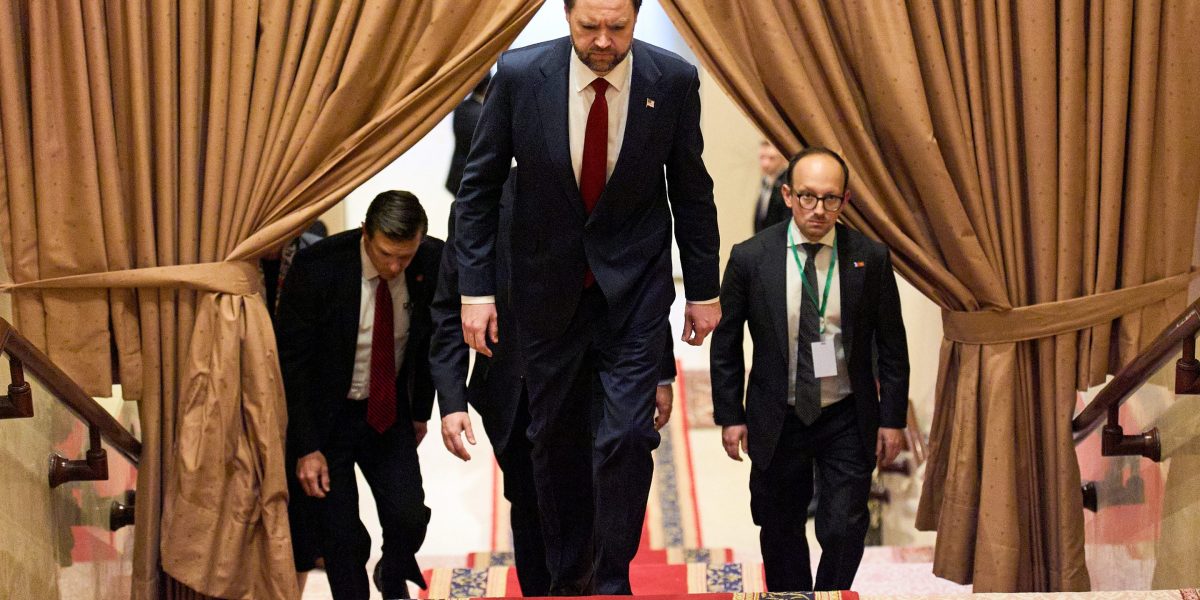
U.S. Vice President J.D. Vance concluded a 21-hour negotiation session with Iranian officials in Pakistan, resulting in an impasse over nuclear weapons development. The talks, which marked one of the most direct U.S.-Iran communications since the Islamic Revolution in 1979, failed to yield mutual agreement as Iran declined to accept the U.S. demand for a commitment to forgo nuclear armament and tools associated with rapid development of such weapons.
The implications of these failed negotiations are significant, potentially exacerbating already strained relations between the U.S., Iran, and regional allies. As military and political maneuvers escalate, including U.S. naval activities in the Strait of Hormuz, the landscape surrounding Iran’s nuclear ambitions remains fraught with tension. This backdrop indicates that any future agreements will require substantial concessions from all parties involved, particularly in terms of security and military operations in the Gulf region.