Binghamton University Tests AI-Powered Guide Dog
Key Takeaways
- 1AI guide dog uses ChatGPT-4 for navigation and communication.
- 2Study highlights capabilities and challenges of robotic assistance.
- 3Research may enhance autonomy for visually impaired users.
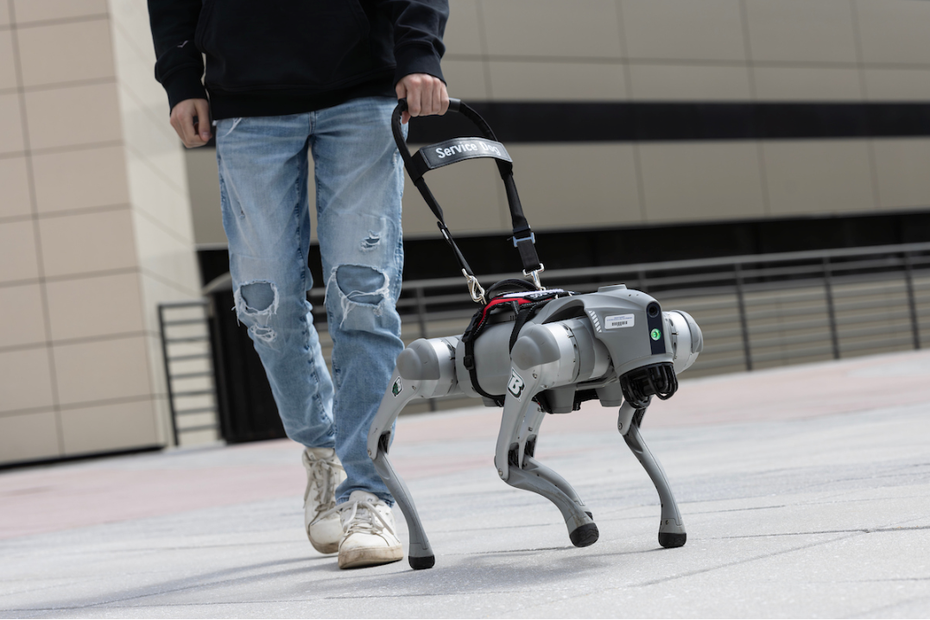
Researchers at Binghamton University tested an AI-powered robotic guide dog using ChatGPT-4 technology. The study, presented at the AAAI Conference, demonstrated the robot's ability to communicate and navigate, providing potential alternatives for visually impaired individuals. While showcasing significant advancements, the research also identified limitations in the robot's performance under certain conditions.
The implications of this study suggest a move toward greater independence for visually impaired users through robotic assistance. Enhanced AI capabilities could redefine support services in accessibility, although reliance on advanced models like ChatGPT-4 may raise questions about the consistency and reliability of the technology. This research represents a step forward in integrating AI into assistive technologies, fostering discussions on future deployments and regulatory considerations.