Iran War Impacts US-China Geopolitical Dynamics
Key Takeaways
- 1Iran reopens Strait of Hormuz amid US blockade.
- 2US military strategy may shift based on conflict duration.
- 3China's role could increase dependency on its energy collaborations.
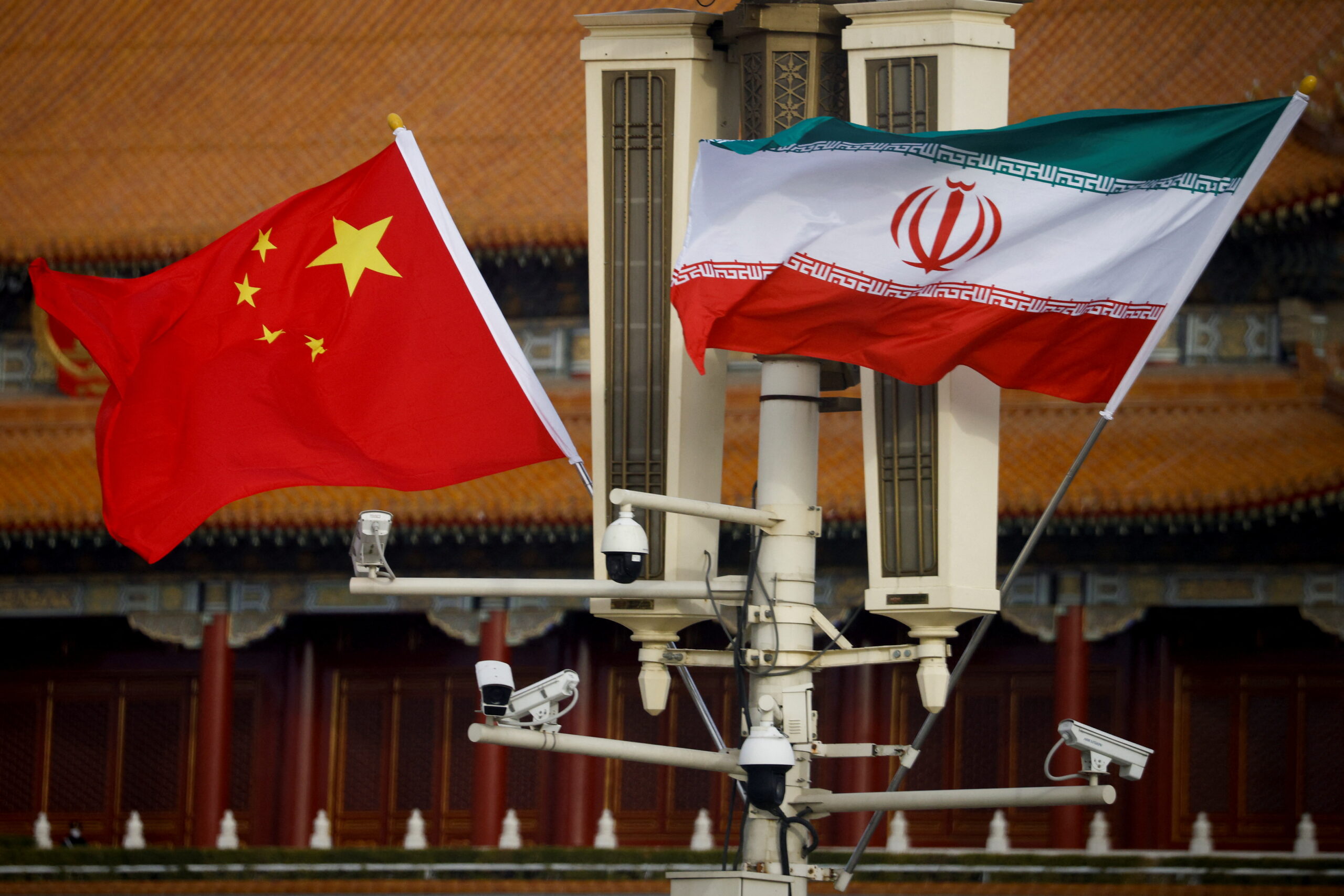
Following the Iran war, Iran announced the reopening of the Strait of Hormuz for ships, alongside a US blockade reaffirmed by President Trump. This development is pivotal, occurring amid ongoing cease-fire negotiations and highlighting a complex geopolitical landscape involving both the United States and China. As discussions unfold, the dynamics in the Gulf region are expected to significantly alter US-China relations, depending on the extent of military involvement and strategic decisions made by both superpowers.
The implications are profound; the conflict's management—or lack thereof—will either maintain US primacy in the Gulf or facilitate a strategic advance for China, particularly in energy markets. Should disruptions extend beyond control, we may see an erosion of traditional alliances, leading to an increased dependency on Chinese energy prospects for nations previously aligned with the US, reshaping the geopolitical stage in the process.