US Diplomacy Challenges Amid Nuclear Mistrust
Key Takeaways
- 1US Vance Mission faced failure in nuclear negotiations.
- 2Shift in diplomatic relations impacts future agreements.
- 3Escalating mistrust increases dependency on military alliances.
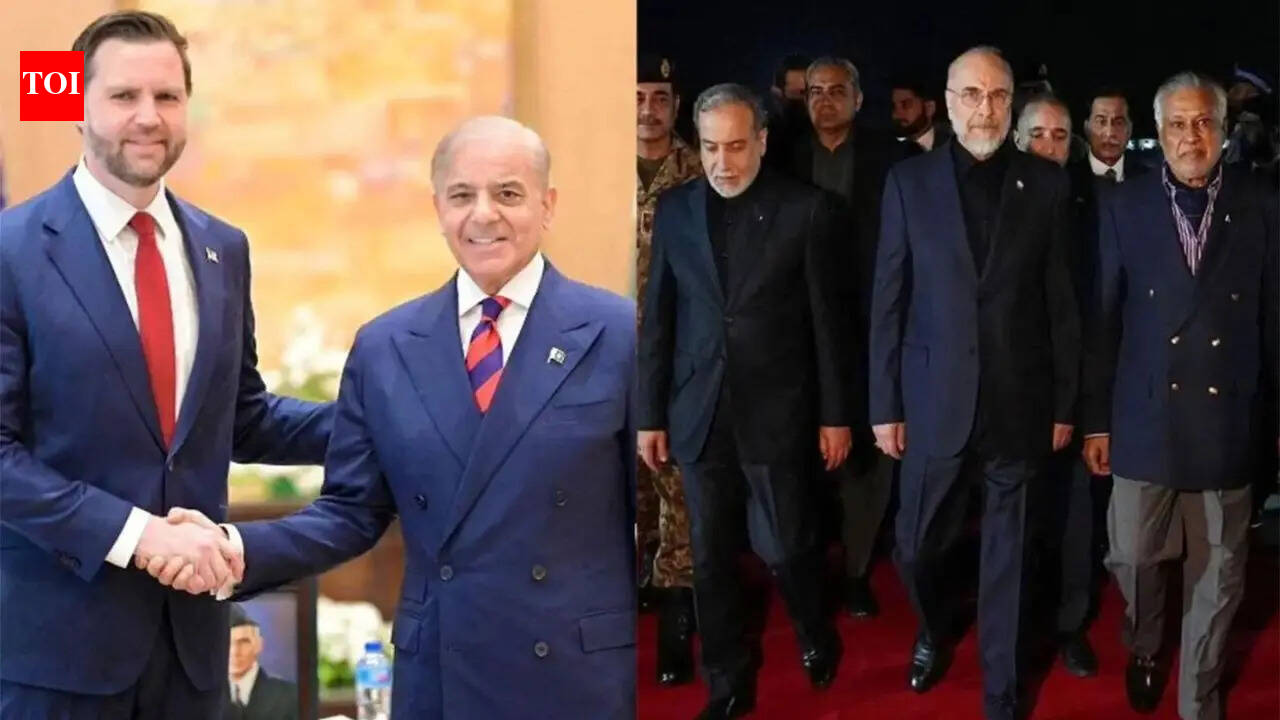
The recent failure of the Vance Mission highlights growing nuclear mistrust among nations, particularly between the U.S. and its counterparts. Several diplomatic discussions aimed at securing agreements have stagnant results, as distrust permeates negotiations and impacts international strategies. This highlights significant flaws in current diplomatic approaches, revealing the urgent need for realignments in policy and dialogue.
As the geopolitical landscape shifts, the implications for future agreements are profound. Increased mistrust not only affects nuclear negotiations but may also lead to greater dependency on military alliances. This scenario poses a risk of escalation in military posturing, potentially influencing national security policies and alliances. Therefore, a strategic reevaluation of diplomatic engagements is crucial to prevent further deterioration in international relations.