Northwestern Engineers Develop Artificial Neurons for Brain
Key Takeaways
- 1Engineers printed artificial neurons communicating with brain cells.
- 2Demonstrates new capability in integrating machines with biological systems.
- 3Potential impact on neurotechnology; limited implications for national AI autonomy.
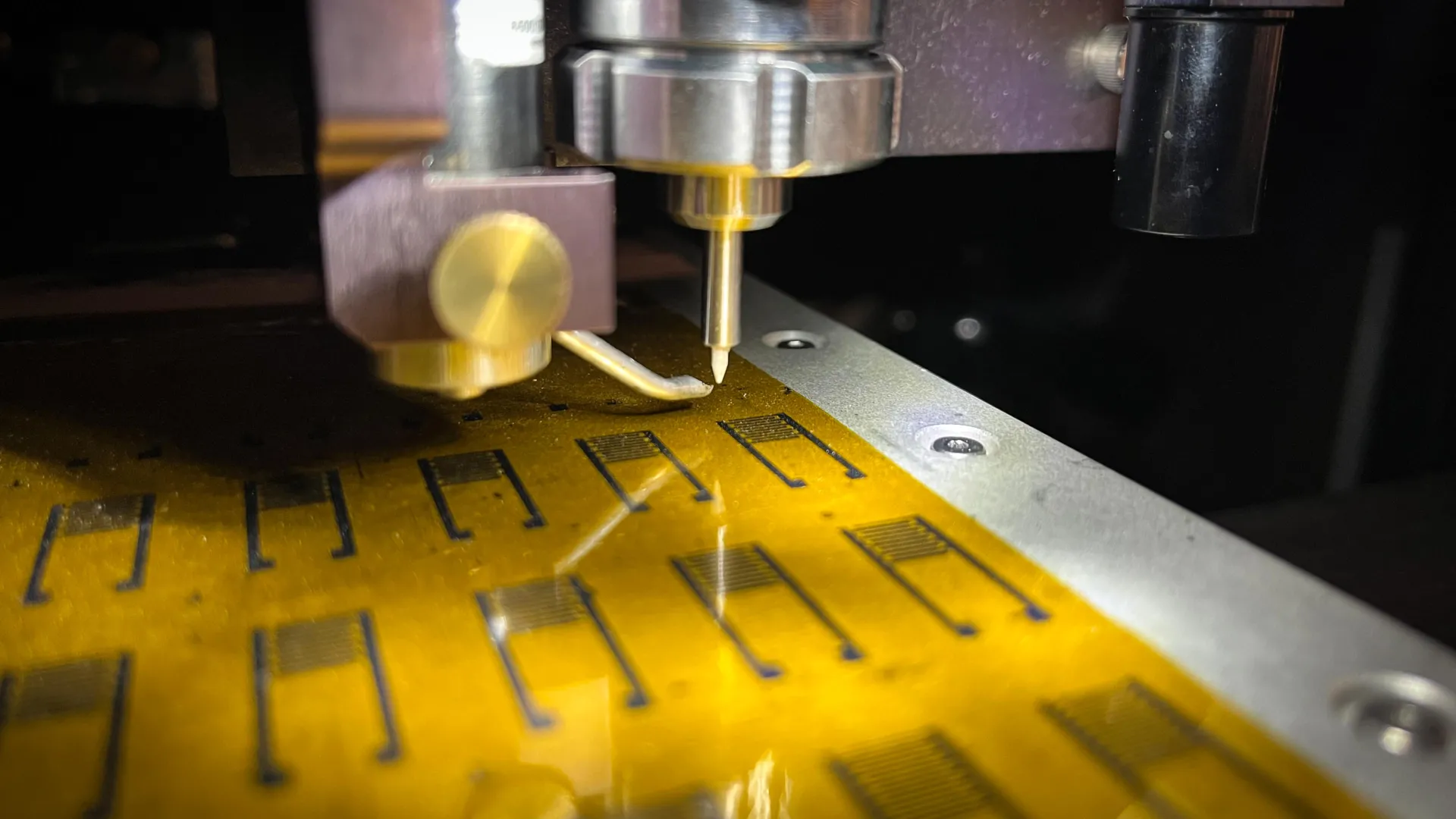
Engineers at Northwestern University have developed artificial neurons capable of communicating with living brain cells. This innovation involves printing flexible and low-cost devices that generate lifelike electrical signals, effectively activating real brain cells, with successful demonstrations conducted on mouse brain tissue.
The implications of this breakthrough suggest a significant advancement in neurotechnology and brain-machine interfaces. However, while this research paves the way for future applications in medicine and technology, it does not directly contribute to national AI strategies or autonomy, indicating a limited effect on sovereign AI landscapes.
Source